
Aircon installation rules for HDB flats and condos in Singapore
By Jacky Lee · Updated 2026-07-13
This is general information about how aircon installation approval typically works in Singapore, not legal advice. Rules vary by town council, HDB branch, and individual condo management corporation, so always confirm directly with them before installation.
Getting an aircon unit installed in an HDB flat or condo in Singapore usually isn’t just a matter of picking a contractor and a date. Where the outdoor unit goes, and whether it needs approval first, depends on rules set by your town council, HDB, or your condo’s management corporation (MCST), and skipping this step can mean redoing the work later.
Why this matters more in Singapore than elsewhere
Outdoor aircon units in HDB flats and many condos usually sit on shared or external building surfaces, like the aircon ledge, a common corridor wall, or the building facade, not purely private property. That’s why placement isn’t left entirely up to the homeowner. Our HDB & condo aircon specialist category lists contractors who work with these constraints regularly, which is worth knowing if your flat has an unusual layout or an older block without a pre-built aircon ledge.
HDB flats
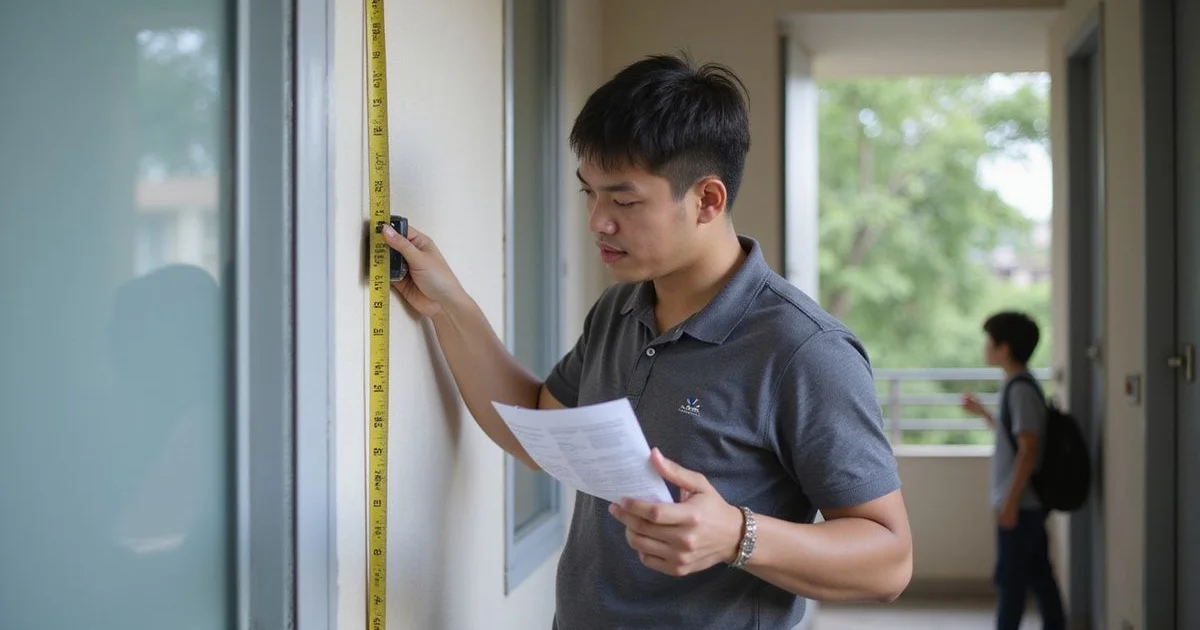
Newer BTO flats are often built with an aircon ledge or approved bracket point already in place, which usually makes installation more straightforward since the location is pre-approved. Older flats, or flats where you want to add units beyond what was originally planned, may need a separate approval from your town council or HDB branch office before a contractor can mount a new outdoor unit, particularly if it involves drilling into common property like a corridor wall.
Condos and private apartments
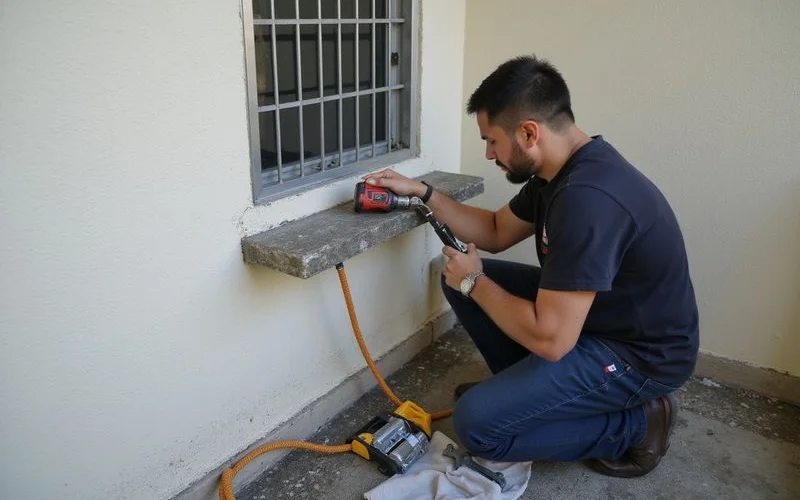
Condo management corporations typically publish house rules covering exactly this: where outdoor units can go, what kind of bracket or screening is required, and sometimes restrictions on which hours contractors can work in the building. Some MCSTs also require a registered or approved contractor list, or sign-off before any work touches the external facade or common property. Since this varies significantly between developments, check your condo’s house rules or ask the management office directly before booking, rather than assuming your contractor already knows the specific requirements for your building.
What to do before you book
| Step | Why it matters |
|---|---|
| Check if your flat or unit has a pre-approved bracket or ledge | Determines whether you need new approval or can use the existing point |
| Contact your town council, HDB branch, or MCST | Confirms what approval, if any, is required for your specific block |
| Ask your contractor if they’ve handled approvals for similar buildings | Experienced contractors often know the paperwork and common pitfalls |
| Get approval in writing before installation day | Avoids having to reposition or redo the work later |
Adding units beyond what was originally installed
If you’re adding aircon to a room that never had it, for example during a renovation, this is where approval matters most, since you’re creating a new outdoor unit location rather than reusing an approved one. Expect this to take longer to sort out than a like-for-like replacement, and factor that lead time into your renovation schedule rather than assuming installation can happen on short notice. A contractor experienced with your specific block type can often tell you roughly how long the approval step tends to take, even though they can’t guarantee it.
A practical way to approach it
Start the approval conversation before you get quotes, not after, since knowing where the unit is allowed to go affects the piping route and therefore the price. If you’re in a resale flat or an older condo, ask specifically whether the existing outdoor unit position was ever formally approved, since inheriting an unapproved setup from a previous owner can become your problem when you go to replace it.
Keep a copy of any approval correspondence, even a simple email confirmation, in case a question comes up later, whether that’s from a future buyer’s inspection, an MCST audit, or your own memory a few years down the line.
Installation approval is a separate question from who looks after the unit day to day. If you’re renting a flat out or renting one yourself, our guide on who pays for aircon servicing: landlord or tenant in Singapore covers that side of the responsibility split.
For how we score contractors on experience with regulated installations, see our methodology page, and check the home page to browse listed HDB and condo aircon specialists.
Frequently asked questions
- Do I need approval to install a new outdoor aircon unit in an HDB flat?
- Often yes, especially if your flat doesn't already have an approved bracket or ledge for the outdoor unit, or if the new placement differs from what was approved when the flat was built. Check with your town council or HDB branch office before booking installation.
- Do condos have the same kind of rules?
- Condo management corporations (MCSTs) typically have their own house rules on outdoor unit placement, bracket type, and sometimes which contractors can work on common property like external walls. Check with your MCST or management office before the job.
- Can my contractor handle the approval process for me?
- Some experienced contractors will help with the paperwork or at least tell you what's needed, but the approval itself usually has to come from the town council, HDB, or MCST, not the contractor. Ask upfront whether they've handled approvals for your block type before.
- What happens if an outdoor unit is installed without the required approval?
- This varies by building and situation, and can range from being asked to reposition or remove the unit to other consequences set by the town council or MCST. It's a real risk worth avoiding by checking first rather than after installation.