
DIY aircon cleaning vs hiring a professional in Singapore
By Jacky Lee · Updated 2026-07-25
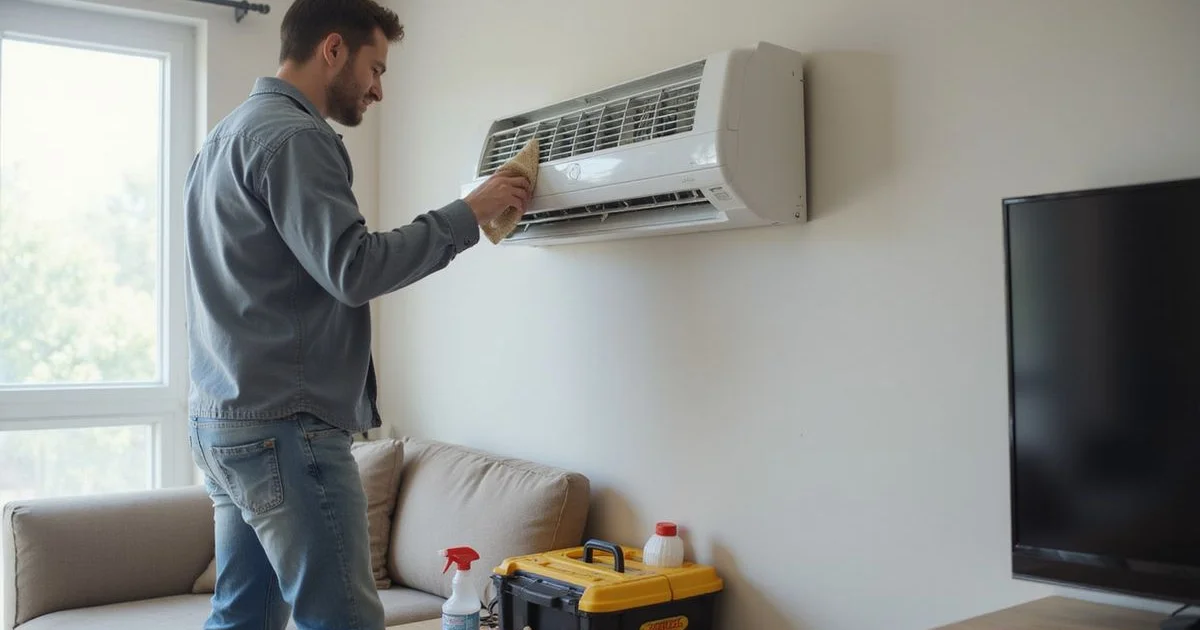
Aircon cleaning splits cleanly into two categories: things you can genuinely do yourself in a few minutes, and things that need a professional’s tools and technique. Mixing them up is where people either waste money paying for a filter rinse, or damage a unit trying to do a chemical wash themselves.
What’s safe and reasonable to DIY
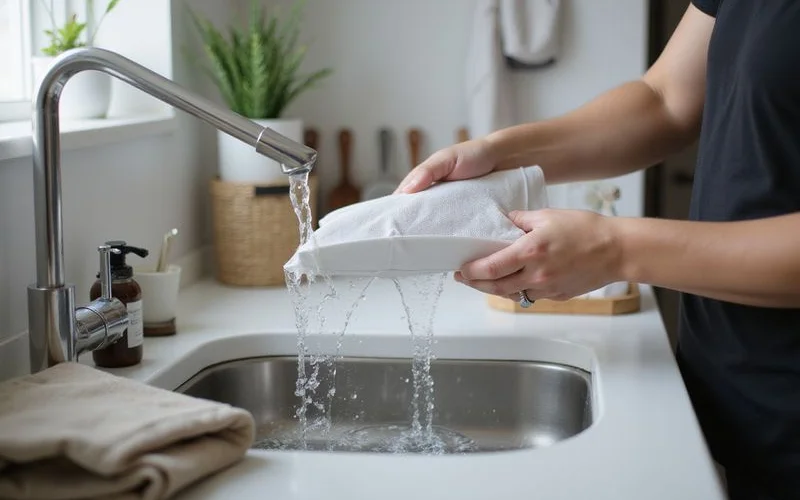
- Rinsing the filter. Most indoor units have a slide-out filter that just needs a rinse under water, a gentle wipe, and time to air dry before going back in. Doing this every few weeks between full services keeps airflow better and can reduce how quickly the coil behind it gets dirty.
- Wiping the visible front panel and grille. A damp cloth on the exterior casing is harmless and keeps dust from building up on what you can see.
- Keeping the outdoor unit’s surroundings clear. Clearing leaves, dust, or debris from around the outdoor condenser (without opening it) helps airflow and is safe to do yourself.
What needs a professional
Contractors listed in our aircon servicing & repair category handle exactly the parts of the job that need training and specific tools:
- Opening the unit casing to clean the coil and fan. This is where a chemical wash or chemical clean actually happens, and it needs the right chemical solution, technique, and care around the coil’s delicate fins, which bend or damage easily under the wrong pressure.
- Checking refrigerant pressure or handling gas. This requires specific equipment and training, and mishandling refrigerant isn’t something to attempt without qualification.
- Anything involving the drain pump or drain pan. A reassembled drain system that doesn’t seal properly leaks worse than before you started.
- Electrical checks, like inspecting the capacitor or wiring, which carry real shock risk if handled without the right precautions.
Side by side
| Task | DIY | Professional needed |
|---|---|---|
| Filter rinse | Yes | No |
| Exterior wipe-down | Yes | No |
| Coil chemical wash or clean | No | Yes |
| Refrigerant check or top-up | No | Yes |
| Drain pump or drain pan work | No | Yes |
| Electrical component check | No | Yes |
The risk of over-DIYing
The temptation to skip a paid service and handle everything yourself usually comes from cost, but the coil cleaning, refrigerant check, and drain work are exactly the parts that prevent bigger problems: mould buildup, slow gas leaks, and water damage from a clogged drain. A filter rinse alone won’t catch a slow leak or a coil that’s starting to grow mould behind the fins, which is why a filter-only routine between full professional services works, but replacing professional servicing entirely with DIY generally doesn’t.
There’s also a warranty angle. Opening the casing yourself, or attempting anything involving refrigerant, is more likely to raise questions if you later need to make a warranty claim than a simple filter rinse would.
Why DIY chemical wash kits are more risk than reward
Spray-on chemical wash kits sold for home use exist, and it’s tempting to reach for one instead of booking a visit. The problem isn’t the chemical itself, it’s technique. A professional wash covers the coil evenly, protects surrounding components from overspray, and follows up by checking the drain isn’t now blocked with loosened grime. A DIY attempt often misses the parts of the coil that are hardest to reach, which are usually the dirtiest, and can push loosened dirt into the drain pan instead of out through the drain line. The unit can look and smell cleaner right after, while the actual buildup that was causing reduced cooling is still there.
A reasonable routine
Rinse the filter every few weeks yourself if it’s a washable type, and book a professional service or chemical wash on the schedule your contractor recommends, generally every few months for routine servicing and less frequently for a full chemical clean. This combination keeps the unit running well between visits without asking you to do work that needs training and the right tools.
Our methodology page explains how we score contractors on servicing quality, and the home page has more listings to compare.
Frequently asked questions
- Can I clean my own aircon filter?
- Yes. Most filters slide out for a quick rinse under water and a wipe-down before drying and reinserting. This is one of the few parts of servicing that's genuinely safe and useful to do yourself.
- Can I open the unit casing to clean the coil myself?
- It's not recommended. The coil, fan blades and drain tray need specific handling to avoid damaging delicate fins or dislodging electrical connections, and this is where most of the actual servicing value comes from.
- Does DIY cleaning void my warranty?
- It depends on the manufacturer and the specific work done. Opening the unit casing or attempting refrigerant-related work yourself is more likely to raise warranty issues than a simple filter rinse. Check your warranty terms if you're unsure.
- Is it worth buying a DIY chemical wash kit online?
- Generally not for indoor coil cleaning. These kits are easy to misuse on delicate coil fins, and without the right technique the result is often a partial clean that looks fine but leaves mould or grime behind.